
Why Is My Heat Pump Smoking?
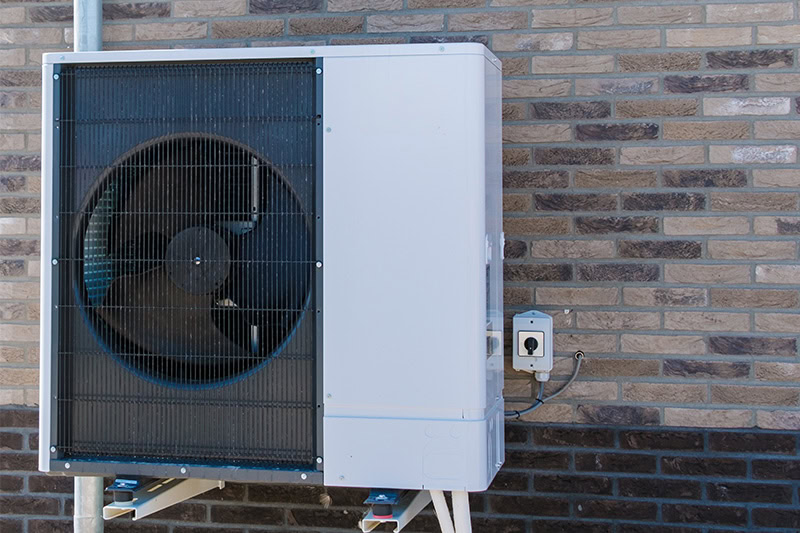
If you own a heat pump in Muskegon, MI, you might have noticed something curious: water pooling around the outdoor unit or even steam rising from it during a cold snap.
Before you panic and search for emergency repairs, it’s important to understand heat pump condensation. For Michigan homeowners in Muskegon, MI, Grand Haven, MI, and all the surrounding areas, knowing the difference between normal operation and a system failure is key to maintaining a comfortable home.
At Elite Air Heating and Cooling, we do our best to keep our homeowners informed and educated about their HVAC systems. In this guide, we’ll cover:
- Why Does My Heat Pump Produce Water?
- What is Defrost Mode?
- When Condensation Becomes a Problem
- Frequently Asked Questions (FAQs)
Need a professional to inspect your heat pump? Call Elite Air Heating and Cooling at 231-903-2077 to schedule a consultation! Our licensed HVAC technicians know how to quickly troubleshoot and repair heat pumps in Muskegon, MI and the surrounding areas.
Why Does My Heat Pump Produce Water?
Condensation is a natural part of how your heat pump moves heat. In the same way a cold glass of iced tea “sweats” on a hot day, your heat pump creates moisture when temperature differences cause water vapor in the air to turn into liquid.
- In Summer (Cooling Mode): Your heat pump acts like an air conditioner. It pulls heat and humidity from inside your home. This moisture collects on the indoor evaporator coil and is funneled away through a drain line.
- In Winter (Heating Mode): The process reverses. The unit extracts heat from the outside air. As the outdoor coil becomes very cold, moisture from the Muskegon, MI, fog or humidity condenses on the outdoor unit and drips onto the ground.
What Is Defrost Mode?
If you see “smoke” rising from your unit in the winter, don’t worry! It’s likely your system is in Defrost Mode. While it may look like smoke, it is actually just steam.
When outdoor temperatures drop (typically between 32°F and 36°F), the condensation on the outdoor coils can freeze into frost or ice. This ice acts as an insulator, blocking heat transfer and making your system work harder for less warmth.
How Defrost Mode Works
- Detection: Sensors detect ice buildup or a drop in coil temperature.
- Reversal: The heat pump temporarily switches into cooling mode. Instead of pulling heat from outside, it sends heat to the outdoor coils to melt the ice.
- Steam & Hissing: As the ice melts and evaporates, you’ll see water vapor (steam) and may hear a hissing sound.
- Completion: Once the coils reach a certain temperature (usually around 50°F), the system flips back to heating your home.
- This cycle usually lasts between 5 and 15 minutes. If your unit stays in this mode for much longer, or if it’s encased in a solid block of ice that won’t melt, it’s time to call in the experts.
When Condensation Becomes a Problem
While a puddle outside is usually normal, certain types of leaks indicate a need for professional attention:
- Water Leaking Inside: If you see water pooling near your indoor air handler, you likely have a clogged drain line or a cracked condensate pan.
- Frozen Indoor Coils: This is often caused by dirty air filters or low refrigerant levels, which restrict airflow and cause temperatures to plummet.
- Constant Defrosting: If the system enters defrost mode every few minutes, you may have a faulty sensor or a refrigerant leak.
Frequently Asked Questions About Heat Pumps
Why is my heat pump leaking water outside in winter?
It is normal for a heat pump to produce condensation outside during the winter. As it extracts heat from cold air, moisture forms on the coils. If it freezes, the unit will enter a defrost cycle to melt the ice, leading to water runoff around the base.
What are the signs of a failing heat pump defrost cycle?
If your outdoor unit is completely encased in thick ice, the defrost cycle lasts longer than 15 minutes, or the unit is making excessive vibrating noises, your defrost components or sensors may be failing.
How often should a heat pump go into defrost mode?
Depending on the humidity and temperature, a system may defrost every 30, 60, or 90 minutes. In the dry air, you may see it less frequently than in more humid climates.
Is it normal for my heat pump to blow cold air during defrost?
Yes. Because the system briefly switches to cooling mode to heat the outdoor coils, you may feel a dip in temperature. Most modern systems use auxiliary heat (electric heat strips) to temper this air so you stay comfortable.
Can I manually defrost my heat pump?
You can carefully hose off the outdoor unit with lukewarm water to melt surface ice, but never pick at the ice with sharp objects, as this can puncture the delicate refrigerant coils.
Call Elite Air Heating and Cooling for Expert Heat Pump Repair
Our expert HVAC repair team at Elite Air Heating and Cooling provides expert heat pump repair and maintenance to homes and businesses in Muskegon, MI, and the surrounding communities. For prompt, reliable HVAC service, call us today at 231-903-2077 or request service online.
